Key Highlights
- Ontario has three main French as a Second Language (FSL) programs. These are Core French, Extended French, and French Immersion.
- The big difference between these programs is how much time students spend speaking and learning in French. The French Immersion program gives the most time and is the top way to get more practice.
- Core French is a part of school for all students from Grades 4 to 8 in English schools.
- The French Immersion program helps kids who do not speak French at home become good at French and be able to use it every day.
- When students reach the secondary level, they can get an Extended French or French Immersion certificate by finishing certain French courses.
- Picking the best french immersion or other french program in Ontario schools will depend on how your child learns, what you want as a family, and your goals.
Introduction
Are you thinking about french language learning for students in Ontario? Picking the best choice can be hard. You might see programs like FSL and french immersion Ontario. Both help students learn french, but they are not the same. This guide will explain what each program does. It covers the curriculum and what a day in the classroom will look like. Our goal is to give you clear and simple facts so you can see which is the best fit for your child’s school path.
FSL vs French Immersion in Ontario Schools: An Overview(table format)
|
Feature |
FSL Program |
French Immersion Program |
|---|---|---|
|
Focus |
Learning French as a second language |
Full integration of French in curriculum |
|
Hours of Instruction |
Limited French instruction hours |
Extensive hours of French instruction |
|
Levels Offered |
Elementary and secondary FSL options |
Early French immersion to secondary level |
|
Language of Instruction |
Primarily in English |
Majority of classes taught in French |
|
Benefits |
Introduction to French, foundational |
Fluency, cultural understanding, academic success |
|
Challenges |
May not lead to proficiency |
Immersion may require adjustment |
Key Differences in Curriculum and Instruction
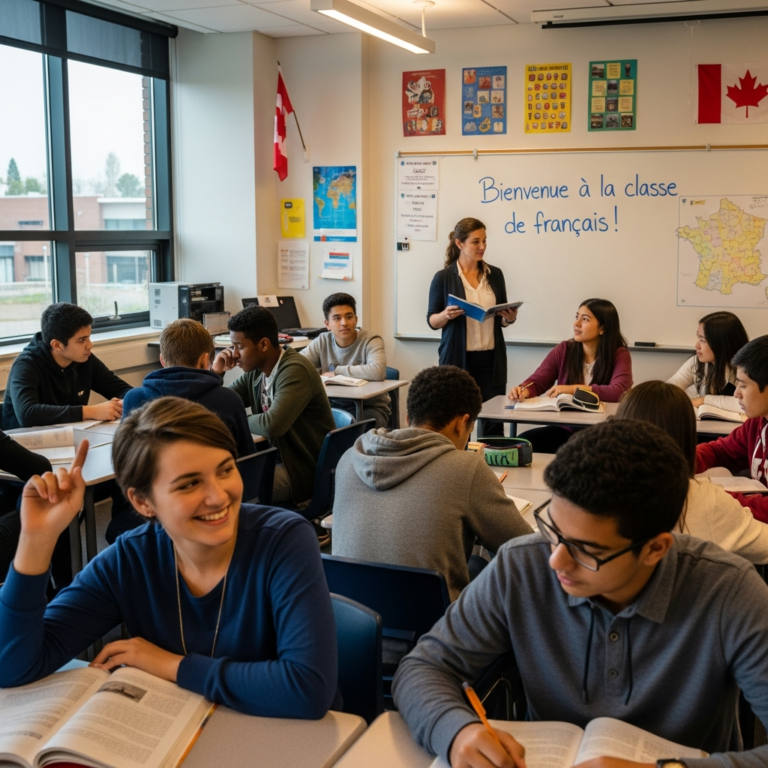
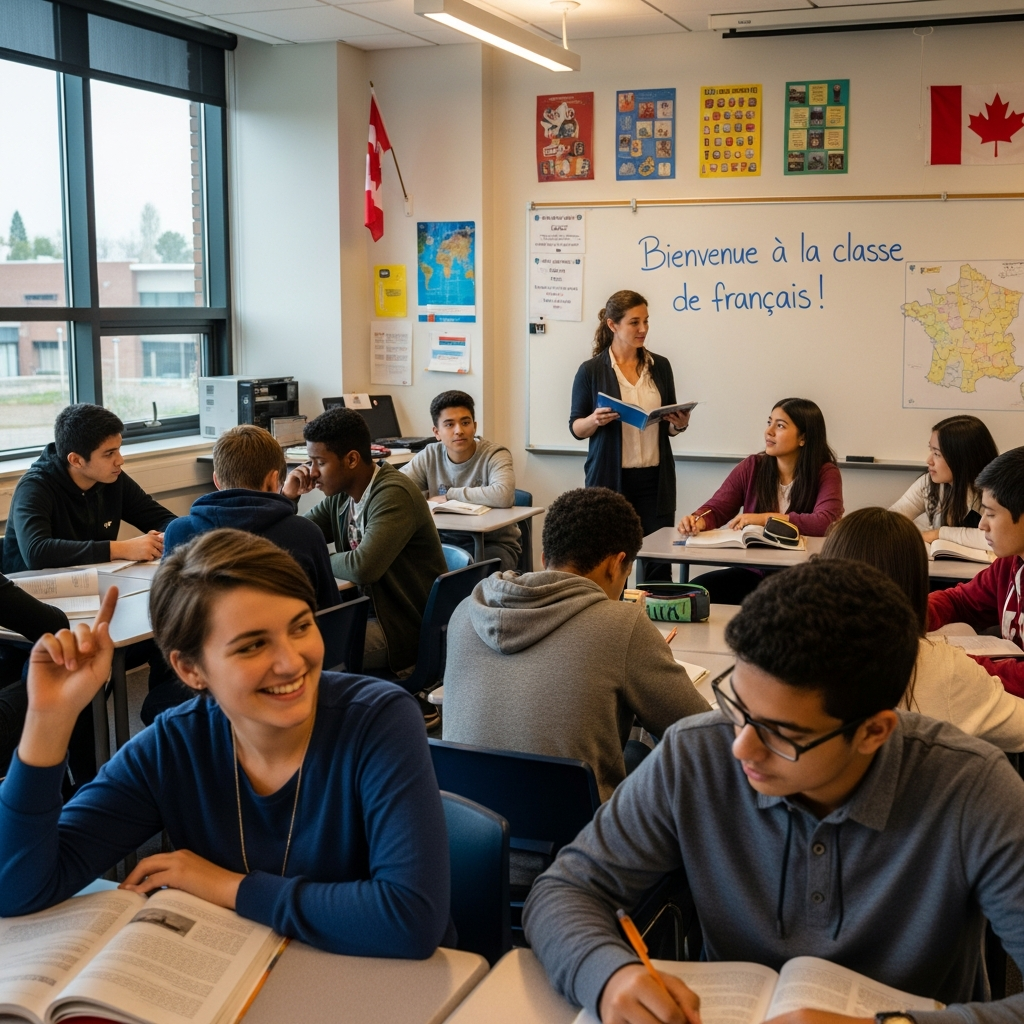
The curriculum and teaching methods in FSL and French immersion programs are designed with different objectives. The primary distinction lies in the language of instruction and the amount of time dedicated to French each day. In French immersion, subjects like math and science are taught using French, while in FSL, French is just one subject among others. This results in a significant portion of the school day being conducted in French in immersion programs, fostering a different learning approach and enhancing French language proficiency. We will explore these differences further in both elementary and secondary schools.
FSL Program Curriculum in Ontario Schools
The FSL program in Ontario includes two main streams: Core French and Extended French. Here’s how they differ:
- Core French: Starts in Grade 4 (sometimes earlier) and continues to Grade 8, aiming for at least 600 hours of French instruction. All students in English schools participate, and one Core French credit is required for high school graduation.
- Extended French: Students take at least 25% of their classes in French, including one French language class and at least one other subject taught in French, totaling at least 1,260 hours by Grade 8.
- Progression: Extended French offers deeper language immersion compared to Core French.
French Immersion Curriculum in Ontario Schools
- The French Immersion program in Ontario begins with at least 50% of instruction in French, covering subjects like social studies, science, and physical education, with students receiving a minimum of 3,800 hours of French by Grade 8.
- In high school, students must earn at least ten French credits—including four language courses and six other subjects taught in French—to receive the French Immersion certificate.
- The Extended French program requires only seven credits (four language and three other courses in French), so French Immersion demands more time and work, resulting in a stronger proficiency compared to Extended French.
Benefits and Challenges of Each Program
Choosing between FSL and French Immersion involves considering the advantages and challenges of each program.
Benefits:
- Strong Language Skills: French immersion fosters high proficiency in French, beneficial for future opportunities.
- Cultural Exposure: Immersion programs provide deeper cultural insights through language learning.
Challenges:
- Learning in a Second Language: Immersion may overwhelm some students as they learn other subjects in French.
- Limited Exposure in FSL: Core French programs may not offer enough hours for true fluency.
Understanding these factors will aid in selecting the best option for your child’s learning journey.
Choosing Between FSL and French Immersion for Your Child
Deciding between core French and French immersion depends on your child’s needs and your family’s goals. Consider how well your child learns languages and what you envision for their future. Will they use French in their career, or is basic proficiency sufficient? Learning French in Canada is beneficial, with each option offering distinct advantages.
French immersion may enhance university readiness and lead to certifications, while FSL offers a less intense approach, fostering language skills without overwhelming stress. Ultimately, choose the program that aligns with your child’s learning style and aspirations for their educational journey.
Factors to Consider as a Parent or International Student
When choosing between FSL and French Immersion, consider your child’s age, learning style, and goals. Early French Immersion usually starts in kindergarten, so check when your child can join. If they are older, entry points may be limited. Think about how your child learns do they enjoy new languages or find them challenging? Immersion requires effort, even for those who don’t speak French at home, so consider how you can support them. International students should check how French Immersion credits apply to the Ontario Secondary School Diploma and university admission.
Here are a few things to keep in mind:
- Your Child’s Age: Early French Immersion most often opens for children in kindergarten.
- Learning Style: Think about if your child is open to learning in French and if they are ready to try new ways of studying.
- Long-Term Goals: Do you want your child to be fluent in both French and English, or is just some knowledge enough?
Tips for Making the Right Choice in Ontario Schools
Choosing between FSL and French Immersion can be easier with the right advice. First, understand what FSL means in your school it covers programs from Core to Extended French. Compare this with French Immersion, which requires more time and effort. Speak with teachers and program coordinators to understand the options. Reach out to parents whose children are in either program to hear about their experiences. Early French Immersion requires commitment, so gather as much information as possible.
Here are a few last tips to help you:
- Visit the Schools
- Talk to Your Child
- Review Program Details
- Consider Your Support System
School Examples and Program Availability in Ontario
Finding the right French program means knowing where to look. Most public and Catholic school boards in Ontario offer various French programs: Core French, Extended French, and French Immersion. When exploring French immersion options, you may notice differences in hours of instruction, with some subjects taught in English. Some districts provide all three types, while others may only offer Core French and Extended French. Additionally, some schools may focus more on secondary French programs, while others emphasize the elementary years. It’s essential to research your local school board to determine which French programs are available for you or your child.
Notable Ontario Schools Offering FSL and French Immersion
Many Ontario school boards offer French Immersion programs, such as the Algoma District School Board with schools like Francis H. Clergue Public School and Boréal French Immersion Public School, where students can start in kindergarten and continue to Grade 8, then proceed to Superior Heights Collegiate & Vocational School for secondary French Immersion and earn a certificate. The Toronto Catholic District School Board also provides all three FSL options, with 19 elementary and 10 secondary schools offering French programs. For families seeking extra support, private schools like USCA Academy offer additional help in French and other subjects.
How to Find Programs in Your Area
The best way to find a French program is to visit your local school board’s website. Most school boards in Ontario have a section about French as a second language programs, where you can see which schools offer them at both the elementary and secondary levels. These pages provide information about core French, French immersion credits, and more.
Use the school locator tool to filter by program type, such as French immersion or extended French, and see what’s available near you. Note that some programs fill quickly and may have waitlists or lotteries.
Here’s how to start your search:
- Visit your local public or Catholic school board’s website.
- Find the “French as a second language” or “programs” section.
- Use the school finder tool to locate FSL, French immersion, or extended French programs near your home.
- Contact the school to ask about FSL program details and how to sign up.
Conclusion
To sum up, choosing between FSL and French Immersion programs in Ontario schools depends on several key factors. Consider your child’s learning style, desired language skills, and any prior French exposure. FSL offers a structured approach suitable for all levels, while French Immersion immerses students in a bilingual environment, enhancing their language proficiency and cultural understanding.
Both programs have unique advantages and challenges. Evaluating them thoughtfully, alongside guidance from local schools, will help you make the best choice for your child’s educational goals. If you’re uncertain or need personalized advice regarding Ontario programs, don’t hesitate to seek assistance.
Frequently Asked Questions
1. Is French Immersion suitable for students with no prior French experience in Ontario?
Yes, you can. The french immersion program, and early french immersion in particular, is made for students who do not already speak french. The way they teach is set up for kids who do not know the language yet. This program is a good way to start french and reach ontario bilingual education, and you do not need to have done core french or fsl before.
2. Do Ontario high schools offer both FSL and French Immersion?
Yes, many high schools in Ontario offer both. The FSL program Ontario has for secondary level often includes Core French and, at times, Extended French. Some school boards in Ontario also have special high schools that provide a secondary French Immersion program. In this french immersion program, students take many of their courses in French to earn french immersion credits.
3. What are parents saying about French Immersion and FSL programs in Ontario?
Parents often share how French Immersion gives many long-term benefits for students. They say their kids get strong French language skills, which can help open new doors in the future. Many parents think this is a good way to help with French language learning for students.
When it comes to FSL programs, parents like that these classes are not as intense but still help students learn useful French skills. This is important for working toward the Ontario Secondary School Diploma in Ontario. Parents feel that both French Immersion and FSL give their children the chance to get better at French.