
Key Highlights of What Is a Preparatory School
- A preparatory school is a high school that helps students get ready for higher education. The main aim is to help students do well in school so they can succeed in college. It focuses on academic excellence.
- People often call these schools college prep schools. The classes are tough, and students get a chance for growth in many ways through holistic development.
- The admissions process for prep high school looks at lots of things. This can mean interviews, test scores, and letters about the student from others.
- These schools have some strong plus points. There are smaller class sizes, more one-on-one time with teachers, and great university preparation programs.
- To help your child find the best school, you have to know the application process. This is the first big step for your child’s future.
Introduction
Choosing the right school is a big decision for your child’s future. There are many educational institutions to look at, and you may want help in picking the best one for your child. This comprehensive guide is here to help you figure it out. We’ll talk about preparatory schools and address the question, “What Is a Preparatory School?” These schools focus on academic excellence and help students get ready for college and what comes after. Let’s see why these schools can be a good choice for your family.
What Is a Preparatory School?
What is a prep school? A preparatory school, or prep school, is designed to prepare students for the rigorous demands of higher education. These institutions offer more challenging classes and a comprehensive learning plan, ensuring students acquire the essential knowledge and skills needed for university and beyond.
Originating in the United Kingdom, prep schools initially aimed to help boys gain admission to prestigious senior schools and universities. Today, this model is prevalent in many countries, including the United States and Canada, where they serve middle and high school students, fostering an environment of high standards and potential.
Preparatory School vs Private vs Public School
Understanding the differences between school types is essential for making informed decisions regarding education. Although all schools share the primary goal of educating students, they differ in focus, resources, and structure. Public schools are government-funded and adhere to state or provincial curricula. In contrast, private schools, including many independent institutions, rely on tuition and donations, allowing for greater flexibility in their offerings. Preparatory schools, a specific subset of private schools, are dedicated to university preparation, ensuring that students are well-equipped for higher education challenges. The comparison table below highlights the key differences between these educational models.
| Feature | Preparatory School | Private School | Public School |
|---|---|---|---|
| Primary Goal | To prepare students for university admission and success (college prep). | To provide a unique educational experience, which may or may not be college-focused. | To provide a standardized education to all students in a specific district. |
| Curriculum | Rigorous, often with AP, IB, or dual-credit university courses. | Flexible and can be specialized (e.g., arts, religious). | Mandated by the state or province. |
| Funding | Tuition fees, endowments, and donations. | Tuition fees and private funding. | Government and local taxes. |
| Class Size | Typically small, allowing for personalized attention. | Generally smaller than public schools. | Often large. |
| Admissions | Selective, with a detailed application process. | Selective, with its own admissions criteria. | Open to all students within a specific geographic area. |
Key Benefits of Preparatory Schools
- Academic Excellence: Preparatory schools emphasize rigorous academic programs that encourage deep thinking, featuring advanced classes such as International Baccalaureate (IB) and Advanced Placement (AP), along with opportunities to earn university credits while still in high school. This head start greatly benefits students as they transition to college or university.
- Holistic Development: These institutions focus on nurturing well-rounded individuals, recognizing that personal growth is essential for success in life.
- Extracurricular Activities: Students participate in a variety of extracurricular activities, including sports, arts, clubs, and community service. This involvement helps them develop leadership skills, foster teamwork, and cultivate a commitment to their communities.
- Confidence Building: The benefits of preparatory schools include instilling confidence in students, equipping them to handle any challenges that may arise in their future endeavors.
Who Should Choose a Preparatory School? (Real-Life Scenarios)
A preparatory school can be a great fit for motivated students with academic goals. For instance, a local student excelling in school but not feeling challenged may thrive in a prep school environment, where high standards and a strong community provide opportunities for exploration and personal growth.
International students aiming for North American universities also benefit from prep schools. Take, for example, a student from abroad dreaming of attending a top Canadian university. A school like USCA Academy offers support in adapting to new learning methods and navigating the application process, ensuring students with big aspirations receive the structure and guidance they need to succeed.
Admission Process & Requirements
Getting into a preparatory school involves a comprehensive application process aimed at identifying students who can thrive in a challenging academic environment. Unlike public schools, private schools have the autonomy to select their students, considering more than just test scores. Applicants must submit academic transcripts, test scores, personal essays, and often teacher recommendations to provide insight into their character and work habits. Understanding the application steps can help parents support their child in creating a standout application. Let’s explore the key stages of the preparatory school admission journey.
Step-by-Step Application Process
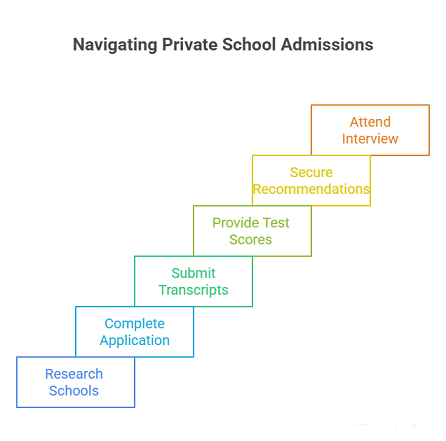
The private school admissions process may seem tough, but breaking it into steps makes it easier. Start by researching schools that fit your needs, then begin the application process. Each part of the application provides schools with information about your child’s abilities and character. Grades show academic progress, test scores like SSAT or ISEE compare your child to others, essays share their personality, and recommendation letters highlight character.
Most preparatory school applications include these steps:
- Complete the Application Form
- Submit Academic Transcripts
- Provide Standardized Test Scores
- Secure Letters of Recommendation
- Attend an Interview
Explore comprehensive programs at private schools in Mississauga Ontario with proven academic success.
Are Preparatory Schools Worth It?
For many families, investing in a preparatory school can significantly benefit their child’s future. These schools focus on academic excellence and prepare students for university, providing a solid foundation. Graduates often find themselves better equipped to tackle university challenges and achieve success in their studies.
While the cost can be substantial, viewing it as an investment in your child’s future is helpful. Many schools offer financial aid and scholarships, making education accessible to more families. Ultimately, if the school aligns with your child’s needs, it can provide excellent preparation, supportive teachers, and greater opportunities in life.
How to Choose the Right Preparatory School
Choosing the right preparatory school is crucial. Here are five key points to consider:
- Assess Your Child’s Needs: Think about your child’s personality, learning style, and academic interests. Determine if they thrive in competitive environments or prefer collaborative settings.
- Identify Interests: Consider whether your child enjoys specific subjects, such as science or the arts, as this can influence their school fit.
- Research Schools: Make a list of potential schools and explore their websites to understand their mission and curriculum offerings.
- Attend Open Houses: Participate in open houses, either online or in person, to get a feel for the school community and environment.
- Engage with School Representatives: If possible, talk to admissions staff, teachers, or current students to gather insights that will help you decide if the school is suitable for your child. For those considering USCA Academy, our admissions advisors are available to discuss how our programs align with your child’s needs and aspirations.
Conclusion
To sum up, knowing “What Is a Preparatory School” and what it can offer might help shape your child’s path in school. Preparatory schools give the kids a caring place that focuses on academic excellence. They support each student closely and make the road to higher education easier. This can help the students reach their goals. By going over the good points and real examples in this guide, you can choose what is best for your child and your family. If you want to look into a preparatory school, reach out to us any time. We can help you get the right school for your family’s needs. Your child’s future can start strong with the right school behind them.
Frequently Asked Questions
1. What age do students typically start a preparatory school?
The starting age can be different in each place. In the UK, the preparatory school meaning is for children in primary school, up to age 13. In North America, students often go to a preparatory secondary school during their middle school or high school years. This is usually from grades 6 to 12, and the goal is to get ready for university.
2. Do preparatory schools follow a specific curriculum?
Many college preparatory schools set up their own rigorous academic curriculum. These schools want to do more than the usual standards. Most educational institutions use programs like International Baccalaureate (IB) or Advanced Placement (AP). They do this to make sure students reach academic excellence and get ready for top colleges around the world.
3. Can students transfer from a public school to a preparatory school easily?
Yes, students move from public schools, and this happens often. You have to go through the admissions process to switch schools. This can have interviews and may need teacher recommendations as well. It’s important to find the right fit, because the academic pace and the educational experience can change. Still, many students do well after the move.
4. Do preparatory schools offer support for international students?
Many prep schools, including those with boarding schools and global talent, give strong support to international students. Schools like USCA Academy focus on international prep school admission. They offer help with language learning, university advice, and support for getting used to a new culture. This helps students do well when they are away from their home.