Key Highlights of Secondary School vs High School
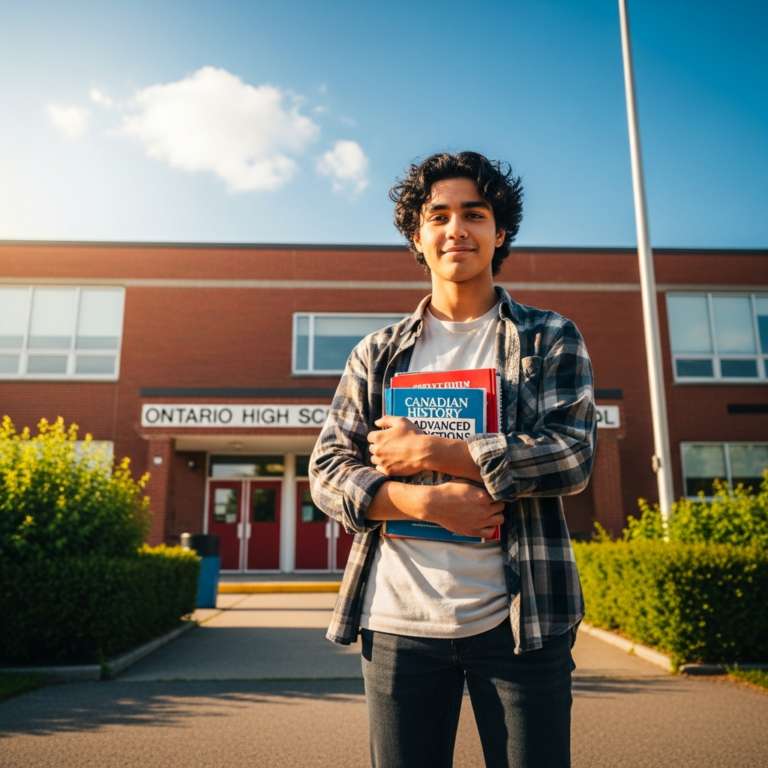
- In Ontario, people use “secondary school” and “high school” to talk about the same thing. This covers Grades 9 to 12.
- Most people say “high school” when they talk about it, but “secondary school” is the word you find in official government and education system papers.
- The courses for secondary education have some classes you must take and some that let you pick when you want. This helps match what you like.
- To finish high school, you need to get the Ontario Secondary School Diploma (OSSD).
- The OSSD requirements are getting 30 credits, finishing 40 hours helping in your community, and passing a literacy test.
Introduction
It can be hard to understand the education system in Canada and the United States. There are many words used that can sound like they mean the same thing. If you are in Ontario, you may ask about “secondary school” and “lower secondary school” or “high school.” Are these different? This guide will help clear things up. We will explain what each term means in Ontario. You will also learn how the system works, and what you need to know about the education system in Canada. This will help you get ready for your child’s school journey.
Secondary School vs High School: Key Differences
When you look at Canadian secondary education vs high school for high schoolers in Canada, you see that the main thing that sets them apart is the wording. The term “secondary education” covers all schooling between primary education and college or university. In many places, this time is split into lower secondary and upper secondary levels.
In Ontario, “high school” is the term people use the most for private high school Ontario secondary school grades 9 to 12. “Secondary school” is the term the provincial government and schools use officially. Still, most students and parents in Ontario call it “high school” during day-to-day talks. For them, both words mean the same schools, grades, and diploma.
Are Secondary School and High School the Same in Ontario?
In Ontario, the words “secondary school” and “high school” mean the same thing in Australia and England. They both talk about the four years of schooling that cover Grades 9 to 12. Most students in these schools are between 14 and 18 years old. The real difference between the two is the way people say them.
Most people say “high school” when they talk about school in everyday life. You might see “secondary school vs junior high school vs high school Canada” more often in official papers or government sites. Knowing this small difference makes it easier to understand the education system in Ontario.
Common Usage and Language Differences
In day-to-day life in Ontario, almost everyone calls Grades 9 to 12 “public high school.” This is the word that students, teachers, and parents use most of the time. It is common in Canada, and in other parts of North America, for people to say high school, so it feels the most natural.
“Secondary school in the United Kingdom” is used in a more serious or technical setting. This word matches how people talk about secondary education around the world, which includes upper secondary school. That is the learning you do after finishing primary school. You will see the term secondary school in official papers or when people talk about the school year in a formal way.
This is not something that is only seen in Canada or in a secondary school in Canada. All over, countries, including India, use other words for these grades. For example, some say “senior school,” “gymnasium,” or “lyceum.” The reason people in Ontario pick “high school” or “secondary school” is just about choosing what sounds less formal or more formal.
Government and Official Terminology in Ontario
The Government of Ontario and the ministries of education, particularly the Ministry of Education, always use the term “secondary school” or “senior secondary school.” You can find this word used in policy papers, the ministry’s website, and in the real names of educational institutions.
For example, the diploma you get after you finish Grade 12 is called the Ontario Secondary School Diploma (OSSD) as determined under state law. It is not called the “Ontario High School Diploma.” This shows that the government calls this level of schooling “secondary school.”
When you join a boarding school or any school, look at curriculum papers, or check graduation rules, you will see the term “secondary school” and special education. The use of this terminology keeps things the same and clear for all educational institutions. It does not matter if it is public schools or a private school like USCA Academy. The word “secondary school” is always used for this level of education.
Curriculum and Learning Structure
In Ontario, secondary school and high school education mean the same thing. The curriculum and way students learn in both are the same. This system helps students build a strong base in the core subjects. It also lets them pick from many electives so they can follow their own interests in Ontario high school education.
This helps students get ready for what comes next. They may want to go to a university, go to college, pursue vocational training, or start a job in the workforce. The curriculum has different kinds of courses and ways to learn so each student can pick what works best for them.
Core Subjects and Electives in Ontario Secondary Schools
The Ontario curriculum has both required and optional subjects. In order to graduate from high school, high school students need to get credits in some main subjects. These core subjects give important academic knowledge to all students.
The required subjects help students get a well-rounded education. The core subjects include:
- English
- Mathematics
- Science
- Canadian History and Geography
- French as a Second Language
- The Arts, Health, and Physical Education
After you have your credits in the core subjects, you can pick other classes. These elective courses let students choose what interests them or may help their career goals. There are options in business, technology, social sciences, and skilled trades. A private high school usually gives students a large choice of electives. It may also have special programs, like Advanced Placement classes, for those who want to learn at a higher level and be ready for college.
Academic Pathways and Course Levels
In Grades 9 and 10, Ontario students choose courses from different levels to match their learning needs. These pathways are designed to prepare them for specific destinations after high school.
The primary course types are Academic, Applied, and Open. Academic courses focus on theory and abstract thinking, preparing students for university and promoting critical thinking skills. Applied courses focus on practical applications of concepts, preparing students for college or apprenticeships. Open courses are suitable for all students.
| Course Type | Focus | Post-Secondary Pathway |
|---|---|---|
| Academic | Theoretical concepts and abstract problems. | University |
| Applied | Practical applications and concrete examples. | College or Apprenticeship |
| Open | General interest and skill-building. | All pathways |
In Grades 11 and 12, courses become more specialized (e.g., University, College, Workplace preparations), directly linking to post-secondary admission requirements.
Ontario Secondary School Diploma (OSSD) Requirements
The main goal of secondary education in Ontario is for students to get the Ontario Secondary School Diploma (OSSD), which is similar to the international baccalaureate framework. This diploma is very important. It helps you get into university, college, and many jobs. In Ontario, there is no real difference between secondary school and high school. Students work toward just one diploma.
Getting the OSSD takes more than getting good grades in your classes. You need to finish three special things that the Ministry of Education asks for. You must complete them all to finish senior high school in Ontario and earn your diploma.
OSSD Credits, Community Involvement, and Literacy Test
To get an OSSD, each student in Ontario has three main things to do in high school. These are important, as highlighted in the digest of education statistics, and they help students be ready for life after they finish secondary school.
The three things you need to graduate are:
- 30 Credits: Students need to get 30 credits. This includes 18 credits you must take and 12 credits that you pick yourself.
- 40 Hours of Community Involvement: Students need to spend 40 hours helping in the community. You can help with local groups, community events, or be there for good causes. This shows you care, and you get to know more people.
- Provincial Literacy Requirement: Every student has to pass the Ontario Secondary School Literacy Test (OSSLT) or take and finish the Ontario Secondary School Literacy Course (OSSLC).
To get your diploma and move on to the next school year, or go into a new job, every student must finish all three things in their high school years.
Diploma Value for University and College Admissions
The OSSD is a well-known diploma in Canada. Many universities and colleges across Canada and other countries accept it. It is the main credential that students complete high school in Ontario use to look at student applications for higher education.
To get into a university in New Zealand, students will need to finish six Grade 12 University (U) or University/College (M) courses. They also need to meet other program requirements. College programs ask for certain courses too, and these are often at the College (C) level. Your grades in these main classes are important for getting in.
Schools like USCA Academy, which are smaller schools serving rural areas, are known for helping students earn the OSSD. They also help students prepare for the tough admissions process to top universities. When students choose a private school they can trust, they get good support. This helps them build a stronger path to higher education.
Conclusion
To sum up, knowing the difference between kindergarten, secondary school, and high school in Ontario is important for both parents and students. These two words are often mixed up, but in Ontario’s education system, they mean different things, particularly when considering frameworks such as the international standard classification of education. It is good to know small details like the curriculum and what you need for the Ontario Secondary School Diploma (OSSD). This helps your family go through the education system in the right way. If you are thinking about choices for your child’s education or have questions, feel free to ask. Get in touch to find out how USCA Academy can help you and your family reach your educational goals.
Frequently Asked Questions
1. Is middle school part of secondary school in Ontario?
No, in Ontario, middle school is part of elementary grades in elementary school. Middle school usually accommodates pupils in Grades 7 and 8 in the public school system. Secondary school, which people also call high school, starts at Grade 9. This is when the move from elementary school to secondary education happens. Students start earning credits for their diploma at this stage.
2. Do employers and universities view secondary school and high school diplomas differently in Ontario?
No, employers and colleges do not see them in a different way because they are the same thing. The main mark is called the Ontario Secondary School Diploma (OSSD). This does not change if you went to a place called a secondary school or a high school in Quebec. The value of the diploma stays the same.
3. How can international students earn their OSSD through private schools like USCA Academy?
International students have the chance to get their diploma by joining a high school in Ontario that is accredited. If you pick a private high school like USCA Academy, you can take the credit courses you need. These schools also help you with the community involvement hours and the literacy test. They will guide you, so you can meet all the rules set by the province to earn your high school diploma.