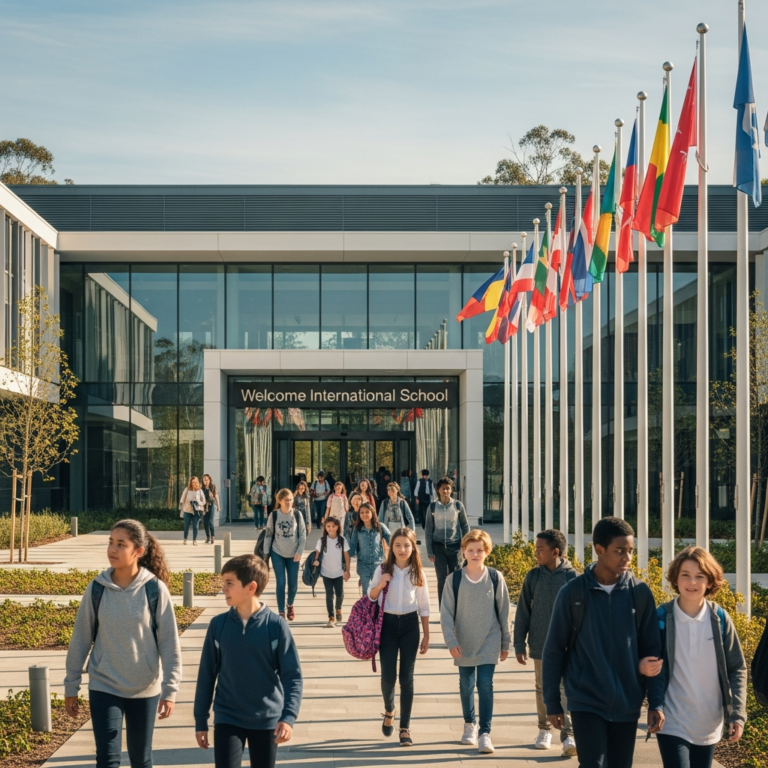

Key Highlights of council of international schools
- The Council of International Schools (CIS) is a group around the world that works to make international education better.
- CIS has an international accreditation process that is tough and acts as a mark of quality for international schools everywhere.
- The school evaluation from CIS looks at how well a school helps students grow into global citizens and build good intercultural skills.
- CIS accreditation is noticed by universities and ministries of education. It helps a school improve its standing in the world.
- Member schools get many things like professional services, networking, and a focus on continuous improvement and student well-being.
- CIS helps schools, parents, and teachers work through the world of international education.
Introduction
Are you a parent, school founder, or school leader trying to figure out how to move forward in the world of international education? Picking the best way for your students or school is a big step. The Council of International Schools (CIS) gives you a trusted plan to aim for quality and do well.
For example, private institutions in Ontario such as USCA Academy (a Ministry-inspected private high school offering OSSD credits) often emphasize global standards, structured academic pathways, and university preparation, key elements also valued within the CIS framework. While not every private school is CIS-accredited, understanding CIS standards helps parents evaluate quality more confidently.
Let’s explore how CIS shapes international education worldwide.
From elementary to high school, private school in Mississauga offers continuous educational excellence.
What is the Council of International Schools?
The Council of International Schools (CIS) is a non-profit organization connecting international schools and higher education institutions globally. With over 1,360 member schools in 122 countries, CIS aims to shape the future of international education by promoting high standards and offering professional services.
It fosters responsible leadership and continuous improvement, emphasizing the importance of an international and intercultural perspective in learning. This approach ensures that students develop the skills and knowledge necessary to become strong global citizens, ready for their next steps in life or work. Schools join CIS through a process focused on enhancing student learning over time.
Mission, Vision, and Role in International Education
- The mission of CIS is to provide students with high-quality international education and promote global citizenship, helping schools prepare young people to be open and ready for today’s connected world.
- CIS plays a crucial role by setting high standards through its international accreditation process, ensuring that schools follow strict guidelines and remain true to their mission and vision, guaranteeing students receive excellent education.
- Ultimately, CIS aims to prepare students for future challenges by assisting schools in creating programs with strong international perspectives, shaping young people into global thinkers and leaders through accreditation and clear guiding principles.
Key Services and Initiatives for Schools and Parents
CIS offers a wide range of professional services and programs to support the entire school community. School leaders can access leadership classes, hiring support, and workshops on key topics like child protection, making schools safer and better managed. The CIS community provides networking opportunities and updates on trends such as AI in education and student transitions. These resources help educators stay current and innovative. Parents can look for CIS accreditation as a sign of quality when choosing a school. The main services provided by CIS include:
- International school accreditation and evaluation.
- Professional development for teachers and leaders.
- Guidance on university admissions and student well-being.
CIS Accreditation Process and Eligibility
Pursuing CIS International Accreditation is a significant step for any school aiming for excellence. This process encourages schools to evaluate and enhance their operations based on globally recognized standards. The evaluation is thorough, examining every aspect of a school’s functioning to ensure it meets the high expectations of the CIS community.
Before embarking on this journey, schools must fulfill essential eligibility criteria, ensuring alignment with CIS’s mission. Additionally, schools need to have fundamental structures in place for success. Let’s explore how schools can qualify and the steps involved in obtaining accreditation.
How Schools Qualify for International School Accreditation
- To qualify for CIS accreditation, a school must demonstrate adherence to the CIS Code of Ethics, showing a commitment to the well-being of students and the entire school community. The school’s mission and vision should align with the goals of international education.
- The school should be fully operational for a period of time, with students across various grade levels, ensuring stability and the ability to showcase established practices. Its curriculum, policies, and procedures must reflect an international perspective and a commitment to high-quality teaching and learning.
- The school must be ready to undertake a thorough self-study and participate in an external review, proving that its leaders and staff are open to feedback and dedicated to continuous improvement through the adoption of international best practices and standards.

Steps and Framework for Achieving CIS Accreditation
The CIS process starts with a self-study by the school community.
An external team visits to validate findings and provide feedback.
Schools use this feedback to make improvements.
CIS accreditation is ongoing, promoting continuous growth.
| Step | Description |
|---|---|
| Membership & Eligibility | School joins CIS and meets requirements. |
| Self-Study | School reviews itself against CIS standards. |
| Preparatory Visit | CIS helps school prepare for evaluation. |
| Team Visit | External team conducts on-site evaluation. |
| Report & Decision | CIS gives report and accreditation decision. |
| Continuous Improvement | School implements plan and prepares for next review. |
Main Benefits of CIS Accreditation for International Schools
Getting international accreditation from CIS offers numerous advantages for private schools. It serves as a strong mark of quality and assurance, demonstrating to parents, students, and staff that the institution is committed to meeting global standards. This accreditation enhances the school’s reputation and distinguishes it from others.
Moreover, the process of obtaining CIS accreditation encourages schools to improve and provides a clear path for future growth. It fosters collaboration, offers professional development opportunities for teachers, and facilitates global connections. These elements not only maintain high standards of quality but also create various opportunities for success.
Enhancing Quality Assurance and Global School Accreditation Standards
- CIS accreditation is a clear mark of quality in international education, showing parents and students that the school meets high global standards. This external review boosts the school’s trustworthiness as it proves the school has undergone thorough and fair evaluation by a respected organization.
- Quality assurance in international education is an ongoing process with CIS. Schools are encouraged to continuously reflect on their practices and make future plans, allowing them to stay current, operate effectively, and meet the evolving needs of their students.
- By adhering to the rigorous CIS accreditation system, schools demonstrate their commitment to high standards. Maintaining these standards strengthens their reputation and provides an environment where students can thrive, a key reason for parents to choose these schools.
In Ontario, private high schools must be inspected by the Ministry of Education to grant OSSD credits. Schools such as USCA Academy follow this provincial framework, ensuring compliance with Ontario academic standards. While CIS offers international accreditation, Ministry inspection provides provincial oversight.
Opportunities for Students, Educators, and School Leadership
CIS accreditation offers valuable opportunities for everyone in the school community. For students, it means global recognition, which supports university applications and encourages growth as responsible global citizens. Teachers and school leaders benefit from international networking, professional workshops, and leadership training, ensuring they stay current with research and best practices. Career options such as becoming a CIS accreditation advisor are also available.
Being part of the CIS community brings important advantages:
- Students can attend university and career guidance events.
- School leaders can connect, share ideas, and solve challenges together.
- Schools can meet top international teachers at recruitment fairs.
CIS accreditation connects and supports schools worldwide.
Global Recognition and Impact of the Council of International Schools
The worldwide acceptance of CIS International Accreditation is a significant advantage. It is recognized by universities, governments, and schools globally as a hallmark of quality education, which benefits students at CIS member schools. When applying to college, it helps demonstrate that their high school diploma meets high standards. The Council of International Schools positively impacts many institutions by clarifying misconceptions and enhancing understanding of how its accreditation facilitates student transitions and success. This extensive global network is strengthened through collaborations with key educational organizations, ensuring that CIS standards remain robust and widely recognized.
International Reach and Collaboration with Global Agencies
The Council of International Schools (CIS) has a global presence and collaborates with ministries and education departments worldwide to promote its accreditation process. Working alongside key accreditation agencies, such as the International Baccalaureate (IB) and regional groups, CIS streamlines accreditation for international schools.
This teamwork saves schools time and resources and supports ongoing improvement. These partnerships enhance the quality and recognition of international schools, helping students with university admissions. Collaboration is essential in the complex world of international education. Some of the most important partners are:
- National and regional accreditation agencies.
- Higher education institutions and university admissions offices.
- Groups like ICAISA, that “accredit the accreditors,” and ensure CIS standards.
Verifying Accredited Member Schools and School Selection Tips
For parents and students, verifying a school’s accreditation is essential. The CIS website lists accredited international schools and is the most reliable resource for checking a school’s status. Prioritize CIS accreditation, as it reflects high standards and a commitment to student well-being. Also, visit the school, meet the community, and check if its mission fits your values. Use the tips below to make an informed choice:
| Tip | Why It’s Important |
|---|---|
| Verify Accreditation | Use the CIS website to confirm the school is officially a member and accredited. |
| Review the School’s Mission | Ensure the school’s educational philosophy aligns with your goals for your child. |
| Visit the Campus | Get a feel for the school environment and its facilities. |
| Speak to the Community | Talk to teachers, parents, and students to get a real sense of the school culture. |
| Ask About University Placements | Inquire where graduates have been accepted to gauge academic strength. |
Conclusion
To sum up, knowing about the Council of International Schools is very important for people who are in the field of international education. This may include school founders, parents, or anyone else involved. The CIS has a big part in raising the level of education. The group uses a strong accreditation process. This helps member schools keep up with high standards of quality. The benefits of CIS accreditation are not just about getting noticed.
There are also good chances for students and teachers, plus the schools, to meet global standards. When international schools focus on earning and keeping accreditation, it shows the world they want to be the best. It also helps their name and standing in international education. If you have any questions about the accreditation process, its benefits, or if you want help picking a school, they want you to reach out.
Looking for an Ontario private high school offering OSSD and strong university preparation? Explore USCA Academy’s programs and admissions process.
Frequently Asked Questions
1. How do I check if a school is accredited by the Council of International Schools?
To check if a school has CIS accreditation, go to the official Council of International Schools website. This site has a list of all member schools that you can search. This will help you see which international schools are accredited, so you know if the school has earned the mark of quality. By doing this, you can make sure that the school is a real member and has received CIS accreditation.
2. Can CIS support parents choosing an international school in Canada?
Yes, CIS can help. CIS does not tell you which school to pick, but parents can use the CIS member directory to find accredited schools in Canada. The CIS accreditation mark shows that a school cares about high standards in international education, child protection, and student well-being. This mark is a good way to choose a school.
3. What career opportunities exist with the Council of International Schools?
The Council of International Schools, or CIS, gives people many ways to build a career in education. You can join the CIS team in roles like international accreditation advisor. In this job, an educational leader helps international schools go through the accreditation process. There are also jobs in professional services, research, and leadership growth at CIS. Each role supports their work in international accreditation and helps make schools better.