

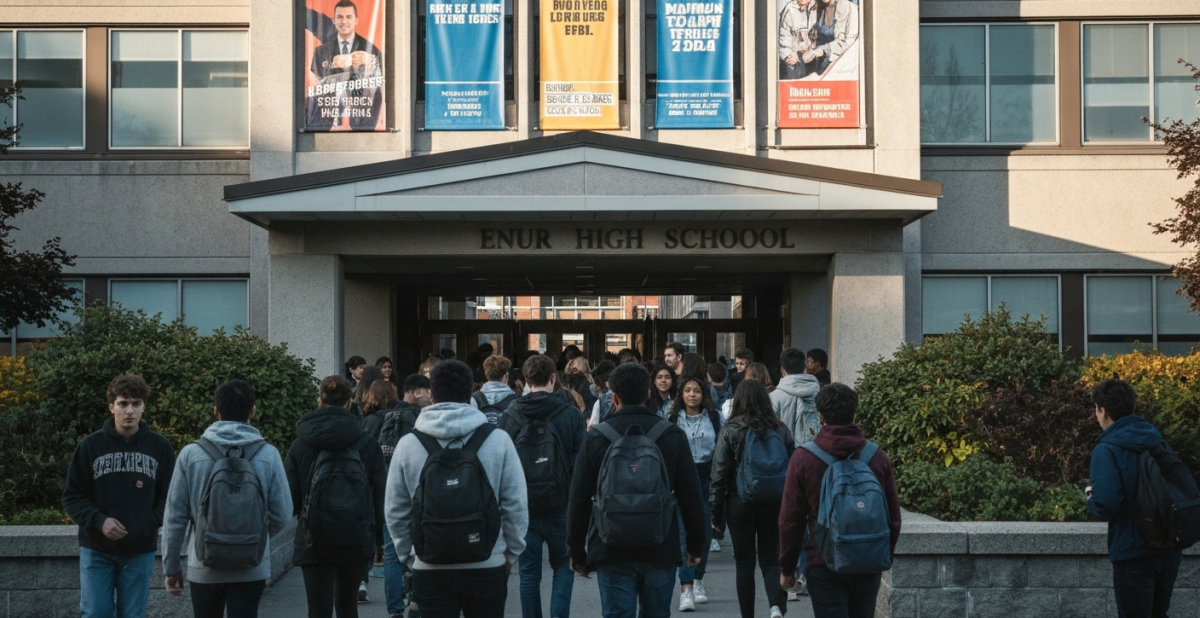
Key Highlights of the Largest High Schools in Canada
- Canada’s largest high schools are defined by high student populations and expansive campuses.
- These educational institutions offer a wide array of academic programs, including Advanced Placement (AP) and International Baccalaureate (IB).
- Big Canadian campuses often feature state-of-the-art facilities for arts, athletics, and technology.
- The student population in these high schools is typically diverse, creating a rich social environment.
- Attending a large school can provide more opportunities for extracurricular involvement and academic excellence.
- Secondary education at larger schools prepares students for top universities with specialized courses.
Introduction
Picking the right high school is one big step in your education. Canada is known for having a good education system. You will find a lot of choices to match what students need. The biggest Canadian high schools are in this group. These schools offer many academic programs, have big buildings, and there is a lot going on with student life. If you are thinking about secondary school options, learning what these larger schools give you will help you pick well for your future.
The Largest High Schools in Canada: List
When discussing the largest high schools in Canada, we often refer to student enrollment. Larger schools typically offer a wider range of choices and activities than smaller ones. Many public secondary schools boast numerous programs and special classes. While high schools vary in size, some accommodate thousands of students, fostering diverse communities and ideas. Attending a larger school can provide more options in courses, clubs, and sports, aiding academic success. This list highlights some of the biggest high schools across the country, showcasing their outstanding education and unique offerings. Discover what makes these schools exceptional!
| Rank | High School | Location | Approx. Enrollment | Key Highlights |
|---|---|---|---|---|
| 1 | USCA Academy | Mississauga, Ontario | Large private school (exact numbers not publicly disclosed) | Private school with many international students, university-prep programs, diverse student community, wide academic offerings |
| 2 | Earl Haig Secondary School | Toronto, Ontario | 2,000+ students | One of the largest & oldest in TDSB, Claude Watson Arts Program, modern 29,000 sq. m. campus |
| 3 | R. E. Mountain Secondary School | Langley, British Columbia | Large public school | Diverse student population, strong academics, International Baccalaureate (IB) program |
| 4 | Sisler High School | Winnipeg, Manitoba | One of Canada’s largest | Known for digital media, robotics, tech-forward programs, inclusive learning environment |
| 5 | St. Francis Xavier Secondary School | Mississauga, Ontario | One of Ontario’s largest | Wide program variety, active clubs & sports, strong academics, vibrant community |
1. USCA Academy, Mississauga, Ontario
Many of Canada’s largest high schools are public, but USCA Academy in Mississauga, Ontario, is a private school with a sizable student body, including many international students. The school is known for its specialized academic programs that help students enter top universities. While class sizes remain small, USCA Academy offers a wide range of programs and accommodates many students, making it one of the bigger private schools in Ontario and Canada. It appeals to families seeking an alternative to public schools and brings together students from diverse backgrounds, preparing graduates to succeed globally.
2. Earl Haig Secondary School, Toronto, Ontario
Earl Haig Secondary School is one of the largest and oldest high schools in the Toronto District School Board, with over 2,000 students. Known for its academic excellence, many graduates go on to college or university. The school is also home to the Claude Watson Arts Program, which requires students to audition for majors in dance, drama, music, film arts, or visual arts. This program attracts talented students from across Toronto and adds to the school’s vibrant culture. Rebuilt in 1997, the modern campus covers 29,000 square meters and blends new features with historic elements.
3. R. E. Mountain Secondary School, Langley, British Columbia
R. E. Mountain Secondary School, located in Langley, British Columbia, is one of the largest high schools in its region. Known for its diverse student body and strong academics, the school offers a wide range of programs to suit different interests and backgrounds. A highlight is its renowned International Baccalaureate program, which prepares students for top universities and colleges worldwide. The school’s large size fosters an open and inclusive environment, where cultural diversity enriches daily life. R. E. Mountain’s extensive resources and advanced classes make it a standout choice for students seeking both academic excellence and a vibrant community.
4. Sisler High School, Winnipeg, Manitoba
Sisler High School in Winnipeg is one of Canada’s largest public high schools, with a diverse student body from many backgrounds. Part of Manitoba’s education system, the school is recognized for its strong teaching methods and wide range of courses. Sisler stands out for its focus on new technology and job training, offering programs in digital media, robotics, and other technical fields that prepare students for current careers. The school is also known for its supportive, inclusive environment, advanced classes, and hands-on training opportunities, helping all students regardless of background find paths to success and reach their career goals.
5. St. Francis Xavier Secondary School, Mississauga, Ontario
St. Francis Xavier Secondary School is among the largest high schools in Ontario, located in Mississauga. As part of the public system, it serves a vibrant community with a wide range of programs and a busy student life. Its large student body allows for many course options and extracurricular activities, including clubs, sports teams, and arts programs. These opportunities help students develop leadership skills and make new friends. The school’s size means more chances to explore interests outside the classroom. St. Francis Xavier stands out for its strong academics and active, inclusive environment, making it a top pick in Ontario.
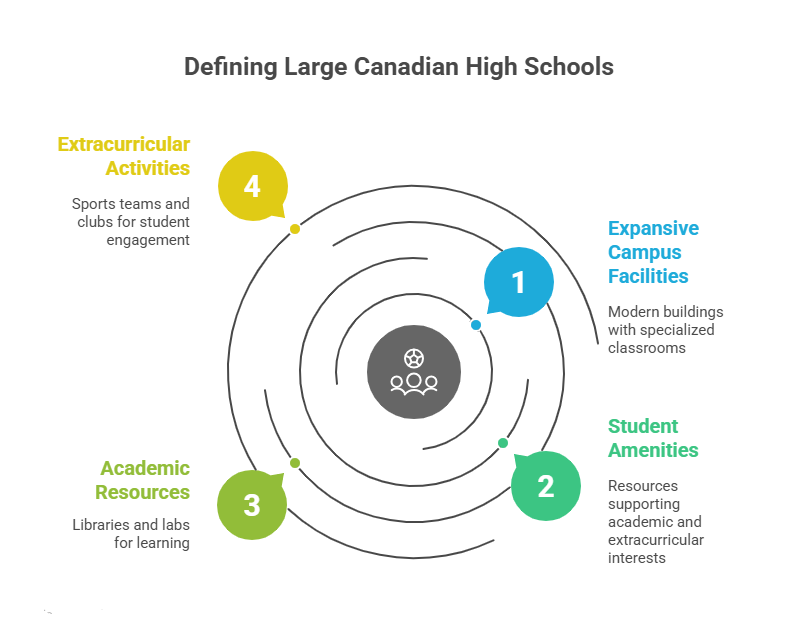
Key Features That Define the Largest High Schools in Canada
The size of Canadian high schools is about more than just the number of students. It changes the whole school experience. Big Canadian campuses stand out because they have a lot of resources. They also offer many chances to learn new things. You will see these key things in two areas: what is there on the campus, and the different programs you can choose.
When you learn more about these, you can see why many students and parents pick these educational institutions. Let’s take a look at the big facilities and all the programs that make Canadian high schools special.
Expansive Campus Facilities and Student Amenities
One big advantage of attending a large high school in Canada is access to extensive campus facilities and amenities. These schools are designed to support a wide range of student interests, both academic and extracurricular. Key features include:
- Modern, spacious buildings with specialized classrooms
- Huge auditoriums, music rooms, and art studios for creative pursuits
- Multiple gyms, sports fields, and sometimes even swimming pools
- State-of-the-art science and technology labs
- Large libraries with diverse books and digital resources
- Dedicated spaces for student clubs and activities
These facilities allow students to explore their interests, join various sports teams, and take part in extracurricular activities. With so many resources, students can enjoy a well-rounded educational experience beyond the classroom.
Diverse Academic Programs and Extracurricular Opportunities
- The largest high schools in Canada offer a wide range of academic choices and special programs.
- With more students, they have the staff and resources for advanced classes like International Baccalaureate (IB) and Advanced Placement (AP), letting you earn college credits in high school.
- Career-focused options include dual-credit programs and pathways in trades or technology.
- Specialized programs may cover arts (film, dance, music), technology (robotics, computer science), and language immersion.
- Extracurricular opportunities are abundant, with many clubs, sports teams, and school events.
- These schools help students develop leadership skills and encourage community involvement.
- With so many options, it’s easier for everyone to find activities and courses that fit their interests and future goals.
Conclusion
The largest high schools in Canada, including USCA Academy, offer students numerous opportunities to learn and connect with peers. These schools feature expansive campuses with a variety of programs and extracurricular activities, ensuring there’s something for everyone. It’s essential to explore what each institution, like USCA Academy, has to offer and consider how it aligns with your educational goals and personal needs. Choosing the right high school can significantly impact your future success. If you have any questions or need assistance, don’t hesitate to reach out and start your journey in finding the ideal place to learn in Canada.
Frequently Asked Questions
1. What are the advantages of attending a large high school in Canada?
Going to a big high school lets students take part in more academic and extracurricular activities. There are things like AP classes and different sports teams. Big Canadian campuses also give people more chance to meet others and use updated facilities. The special programs there help students build leadership skills, and get ready for academic excellence in secondary education and college.
2. What extracurricular activities are commonly offered at the largest high schools in Canada?
The biggest high schools usually have many extracurricular activities. There are sports teams that compete, art programs with drama and music, and clubs for things like debate and robotics. Many schools also give students ways to help out in their area. This kind of community involvement is good for learning leadership skills.
3. Are there any challenges faced by students attending the largest high schools in Canada?
Some students at large schools may have a tough time. The Canadian high school size can make people feel lost or small in a big place. It may be harder for you to get personal help from teachers. There is also more competition for teams or classes that a lot of people want. Some students can feel like just another face in the crowd at a big high school.